



Every so often, you come across a piece of software where one feature alone justifies the entire subscription. It doesn’t need to be flashy or complex—it simply needs to solve a real problem, in a meaningful way.
Recently, I had a deeper conversation with one of my team members about a client who is trying to improve how they manage travel plans and logistics across their team. On the surface, it sounded like something that should be easy to solve. There are plenty of apps designed for organising travel, itineraries, and bookings.
But as we worked through the options, the reality was more nuanced.
Some apps were too simple.
They could organise information but had no meaningful link to the financial side of bookings. Others offered booking functionality and financial reporting but were tied to specific providers, which didn’t suit how this client operates. Flexibility was limited, particularly when it came to entering their own arrangements, equipment hire, or changes made outside the system.
We even explored whether a custom-built solution—potentially AI-assisted—might be worth considering. But for a business of this size, the cost and complexity would likely outweigh the benefit.
So we were left with the real problem. Not the lack of a system, but the strain on the person managing it.
My team member described clearly how the challenge was impacting her in keeping the financials up to date in WorkflowMax. It wasn’t just the volume of emails coming through with cost changes due to itinerary adjustments, weather disruptions, flight updates, and equipment adjustments. It was the ongoing mental load. The need to constantly read, interpret, cross-check, and ensure nothing was missed. The concentration required to stay on top of it all was significant.
And that’s where something simple made a difference.
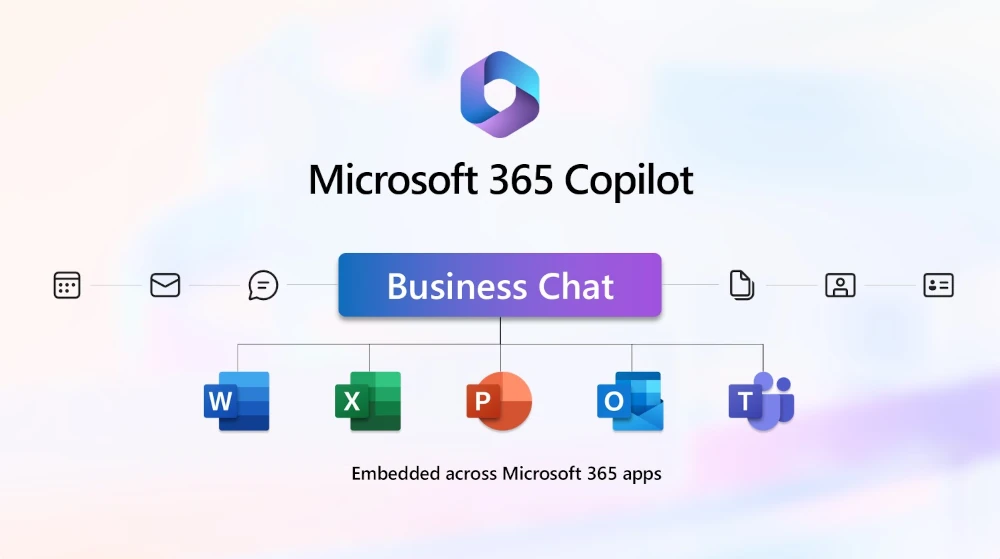
Using Copilot to summarise emails—not just individual threads, but across a broader set of messages—changed the experience entirely. Instead of working through every email in detail, my team member could ask Copilot to pull together what had changed, what mattered, and what needed attention.
Two things changed.
First, it reduced the risk of missing something. There’s a level of reassurance that comes from knowing the key information has been surfaced clearly, even when there are multiple moving parts.
Second, it reduced the cognitive load. Less energy spent switching context between messages. More head space to focus on decisions rather than processing information.
And the obvious benefit of saving time as a bonus.
It’s a good reminder that when assessing software, it’s easy to focus on whether it can replace a process or deliver a full solution. But sometimes the best change comes from a feature that simply makes the existing process easier to manage.
In this case, Copilot didn’t replace the need for systems or decision-making it just made the flow of information manageable again. And that made it worthwhile to upgrade to the paid version for this team member.
If you’re finding yourself (or your team) overwhelmed by email-heavy processes, it might be worth asking if there is already a solution within the tools you are using.
And get a clear answer.
The result wasn’t just time saved. It was clarity. Less mental clutter. More confidence that nothing had slipped through the cracks.
That shift—from processing information to actually managing it—is where the real value sits.
It’s a good reminder: sometimes you don’t need a whole new system. You just need a better way to handle the information you already have.
And sometimes, one feature is enough to make that happen.
If you’re seeing similar pressure points in your team, it’s worth stepping back. The opportunity might be simpler—and more valuable—than you think.